

Choosing the right type of houses stand crucial to fit your unique lifestyle and needs. Each type offers something different, from cozy bungalows to spacious single-family homes and convenient condos to modern apartments.
46% of the EU population lived in flats, while just over a third (35%) of the population lived in detached houses
Whether you’re interested in exploring different types of houses or considering the variety of houses available for a growing family or minimalist lifestyle, there’s a perfect home out there for you.
Start exploring the different types of houses today to find the one that best fits your life. So let’s get started on which variety of houses or type of houses you need to explore.
Factors to Consider in Different Types of Houses
When searching for a new home, you’ll find a variety of house types, each with unique features and benefits. Different types of houses include single-family homes, condos, townhouses, apartments, and more.
Your choice of home depends on factors like lifestyle, budget, and location:
-
- Lifestyle: Consider your daily needs—do you want privacy, community, or proximity to amenities?
-
- Budget: Evaluate what you can afford—different types of houses come with variable costs.
-
- Location: Think about where you want to live—urban, suburban, or rural settings offer different house styles.
Some popular types of houses include bungalow houses, which are ideal for those wanting a cozy, single-story home. Townhouses are perfect if you’re looking for a balance between space and affordability, while cottage houses offer a rustic, charming aesthetic.
Explore the types of houses such as modern houses or traditional styles to find the perfect fit for you and your family. There are many types of houses in the world, from village homes to urban lofts—discover the one that best suits your needs.
Best 8 Type of Houses to Explore the Best One
Let’s dive into the details of 8 different types of houses to help you find the one that best suits your needs.
1. Single-Family Homes
A single-family home is a standalone house designed to be occupied by one family. It offers privacy and plenty of space. Unlike apartments or townhouses, this type of house is detached.
It means this type of home does not share walls with other types of houses. With a variety of styles, single-family homes often come with their own yard, driveway, and sometimes a garage.
If you’re looking for a home that provides independence and space for you and your family, a single-family home might be the best choice. It’s one of the most common types of houses, suitable for various lifestyles and locations.
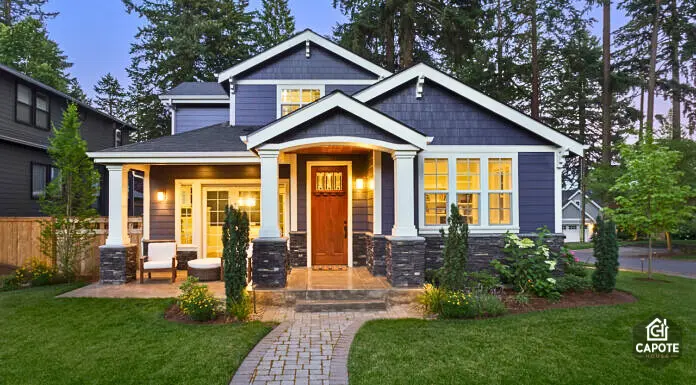
Source: Single-Family Homes
Features of Single-Family Homes:
-
- Detached Structure: Single-family homes are standalone buildings, not sharing walls with neighboring units.
-
- Privacy: They offer a high level of privacy, with no shared spaces or common areas.
-
- Yard and Outdoor Space: Typically, these homes come with their own yard, garden, or outdoor area.
-
- Garage or Parking: Many single-family homes include a garage or dedicated parking spaces.
-
- Design Flexibility: They often allow for greater customization and personalization in design and layout.
-
- Space: Generally, they offer more space compared to other types of houses, including multiple bedrooms and bathrooms.
-
- Ownership: The entire property, including land and structure, is owned by the homeowner.
-
- Noise Control: Reduced noise from neighbors due to the absence of shared walls.
Pros and Cons of Single-Family Homes:
Pros:
-
- Privacy: Enjoy complete privacy without shared walls or common areas.
-
- Space: Typically offers more living space, including multiple bedrooms, bathrooms, and outdoor areas.
-
- Customization: Greater freedom to modify and personalize the home’s interior and exterior.
-
- Yard and Outdoor Living: Access to your own yard or garden for recreational use and landscaping.
-
- Reduced Noise: Less noise from neighbors due to the absence of shared walls.
Cons:
-
- Higher Maintenance: Increased responsibility for maintenance and repairs, including yard work and exterior upkeep.
-
- Higher Costs: Generally more expensive than condos or apartments, both in terms of purchase price and utility costs.
-
- Upkeep: More time and effort are required for managing and maintaining the property.
-
- Lack of Shared Amenities: No access to shared amenities like swimming pools or fitness centers, which are common in multi-family living situations.
Single-family homes are ideal for families or individuals who value privacy and need ample living space. They are well-suited for those who desire their own yard, more room for activities, and the freedom to customize their home environment.
2. Condominiums (Condos)
A condominium, or condo, is a type of houses where you own your individual unit within a larger building or complex. Unlike single-family homes, condos are often part of a multi-unit structure where common areas are shared with other residents.
Condos typically come with shared amenities like a gym, pool, or community room, and you might also have access to a parking space.
If you’re looking for a home that offers convenience and community without the hassle of extensive maintenance, a condominium could be the ideal choice for a family home. It’s a popular option among those who prefer modern living with a variety of amenities.
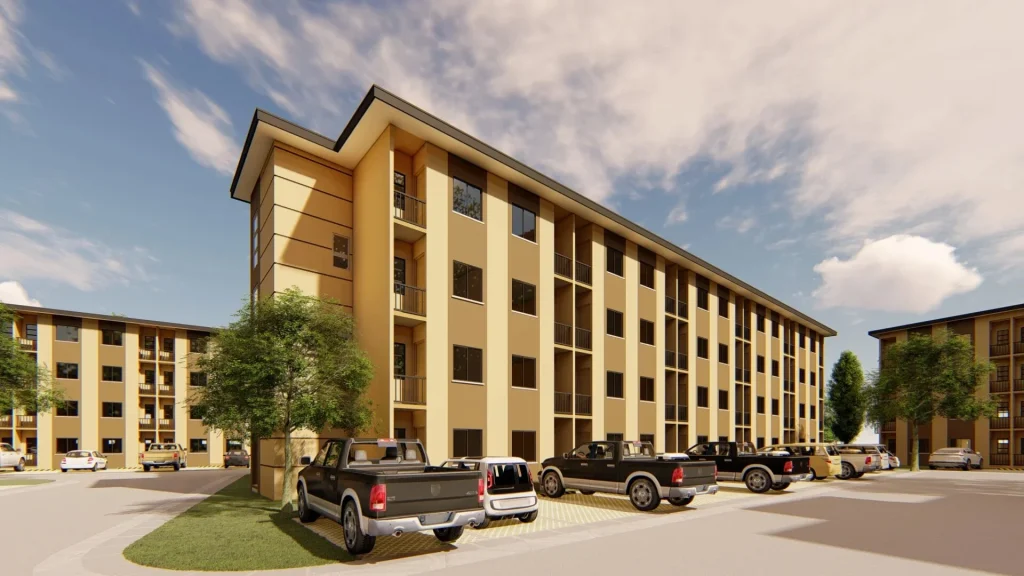
Features of Condominiums (Condos):
-
- Shared Structure: Condos are part of a larger building or complex, sharing walls and common areas with other units.
-
- Maintenance: Regular maintenance of common areas is handled by a homeowners’ association (HOA), reducing individual responsibility.
-
- Amenities: Many condos offer shared amenities such as swimming pools, fitness centers, and communal spaces.
-
- Location: Often found in urban or high-density areas, providing convenient access to city amenities and services.
-
- Security: This may include additional security features like gated access or doormen.
Pros and Cons of Condominiums (Condos):
Pros:
-
- Convenience: Often located in desirable areas with easy access to shops, restaurants, and public transportation.
-
- Lower Maintenance: HOA typically handles maintenance for common areas and some exterior repairs.
-
- Amenities: Access to shared facilities like pools and gyms without having to manage them personally.
-
- Security: Enhanced security features compared to many single-family homes.
Cons:
-
- HOA Fees: Monthly fees for maintenance and amenities can add to your overall cost of living.
-
- Less Privacy: Shared walls and common areas can mean less privacy compared to single-family homes.
-
- Restrictions: HOA rules can limit the modifications you can make to your unit.
-
- Space: Condos generally offer less space than single-family homes, including smaller living areas and less storage.
Condominiums are perfect for those seeking a blend of modern convenience and community living. They’re well-suited for individuals or couples who appreciate shared amenities and reduced maintenance responsibilities.
3. Townhouses
A townhouse is a type of house or home that shares walls with bordering units but typically has its own separate entrance. These homes are often arranged in a row, providing a compact living space with multiple floors.
Unlike single-family homes, townhouses usually have less yard space but may offer access to shared amenities like parks or community centers.
If you’re looking for a different types of houses that offers a balance between space and affordability, a townhouse might be a great fit. It combines the benefits of private living with some collaborative features, making it ideal for various lifestyles.
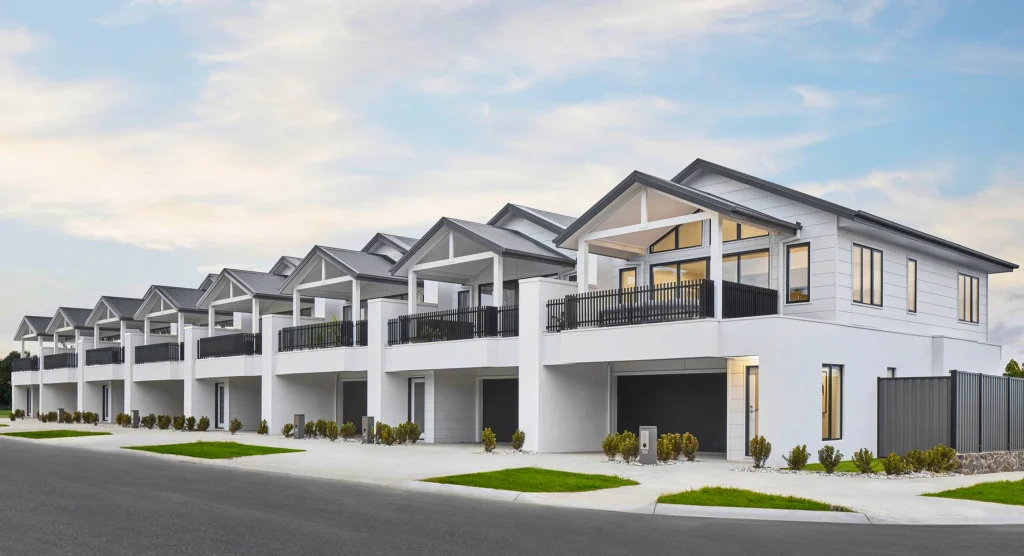
Features of Townhouses:
-
- Shared Walls: Townhouses are part of a row of homes, sharing walls with neighboring units.
-
- Multiple Floors: Typically, townhouses have two or more levels, offering more living space within a smaller footprint.
-
- Yard Space: Limited private outdoor space, often with a small garden or patio.
-
- Community Amenities: Many townhouses are part of a community with shared facilities like playgrounds or pools.
-
- Private Entrance: Each unit has its own entrance, providing a degree of separation from neighbors.
Pros and Cons of Townhouses:
Pros:
-
- Affordability: Generally less expensive than single-family homes, making them a more budget-friendly option.
-
- Space Efficiency: Multiple levels can offer more living space than a single-story condo or apartment.
-
- Community Features: Access to shared amenities and community areas.
-
- Lower Maintenance: Exterior maintenance is often managed by a homeowners’ association (HOA), reducing individual upkeep.
Cons:
-
- Shared Walls: Limited privacy due to walls shared with neighboring units.
-
- Less Outdoor Space: Smaller private yards compared to single-family homes.
-
- HOA Fees: Monthly fees may be required for maintenance and community amenities.
-
- Restrictions: HOA rules may limit personal modifications and use of common areas.
Townhouses are ideal for those who want a balance between the benefits of a single-family home and the convenience of community living. They are well-suited for families or individuals seeking a bit more space while still enjoying the advantages of shared amenities.
4. Apartments
An apartment is a self-contained unit within a larger building, often rented rather than owned. These homes usually come in various sizes and layouts, ranging from studios to multi-bedroom units.
Apartments are part of a building that may house many other units and common areas are shared with other residents.
If you prefer a low-maintenance lifestyle with easy access to city amenities, an apartment might be perfect for you. They offer convenience and flexibility, making them a popular choice for many.
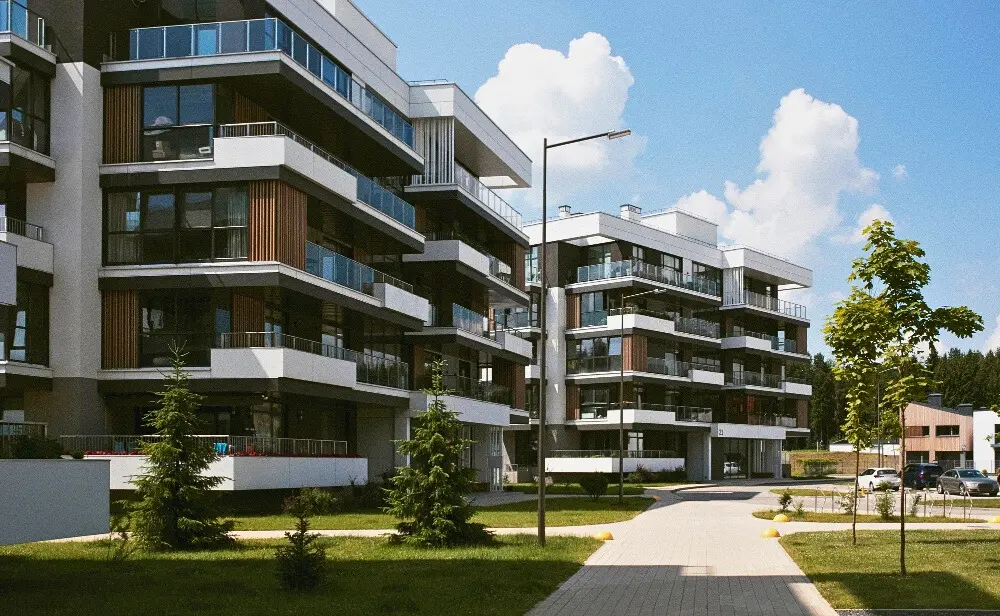
Source: Apartments
Features of Apartments:
-
- Shared Building: Apartments are located within a multi-unit building, sharing walls and common areas with other residents.
-
- Variety of Sizes: Available in different sizes and configurations, from small studios to larger multi-bedroom units.
-
- Shared Amenities: Often include access to building amenities such as laundry facilities, fitness centers, and communal areas.
-
- Maintenance: Exterior maintenance and repairs are typically managed by the building management.
-
- Location: Often situated in urban areas, providing easy access to public transportation, shopping, and dining.
Pros and Cons of Apartments:
Pros:
-
- Convenience: Easy access to city amenities, public transportation, and services.
-
- Lower Maintenance: Building management handles exterior and common area upkeep.
-
- Flexibility: Often available for short-term rentals, offering flexibility for various living situations.
-
- Community Living: Opportunities to meet and interact with other residents.
Cons:
-
- Limited Space: Generally offers less living space and storage compared to single-family homes or townhouses.
-
- Privacy: Less privacy due to shared walls and common areas.
-
- Restrictions: Limited ability to customize or make changes to the unit.
-
- HOA Fees: Some apartments may have additional fees for amenities or maintenance.
Apartments are ideal for those who enjoy a convenient, low-maintenance types of houses and lifestyle and appreciate the benefits of urban living. They are well-suited for individuals or small family homes who value access to city amenities and don’t need extensive space.
5. Multi-Family Homes
Multi-family homes are buildings designed to accommodate multiple separate living units within one structure. These homes can range from duplexes and triplexes to larger apartment buildings.
Each unit in a multi-family home is a separate living space, often with its own entrance, and can be rented or owned individually.
If you’re interested in a property that can provide rental income or accommodate an extended family, a multi-family home might be an excellent choice. These homes offer both privacy and the potential for additional financial benefits.
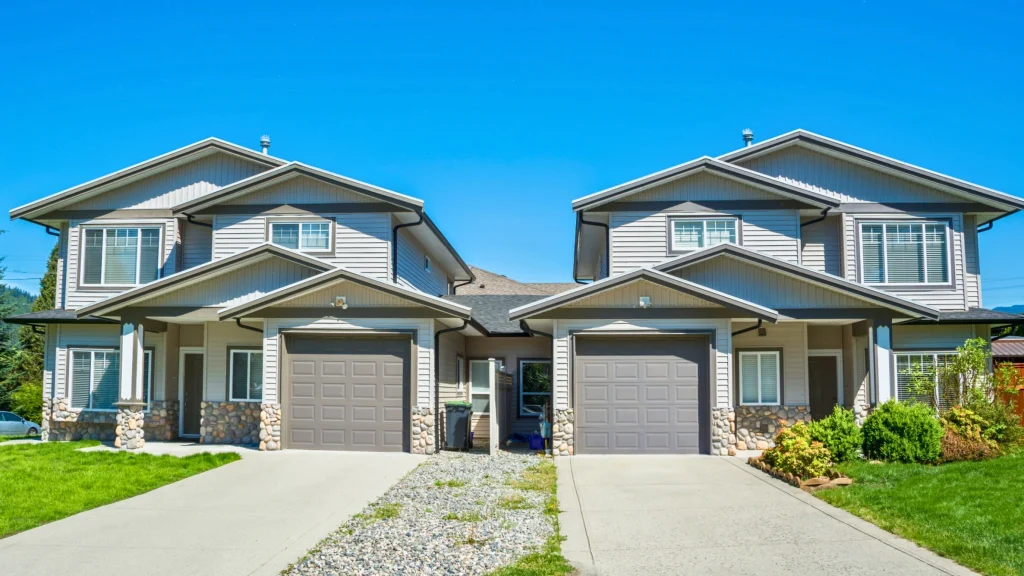
Features of Multi-Family Homes:
-
- Multiple Units: Designed to house several separate living spaces within one building.
-
- Shared Structure: Units share walls and common areas, with individual entrances for each unit.
-
- Potential Rental Income: Opportunity to rent out some or all of the units for additional income.
-
- Property Management: Often involves managing multiple tenants or coordinating with property management services.
-
- Variety of Sizes: Can range from small duplexes to large apartment complexes.
Pros and Cons of Multi-Family Homes:
Pros:
-
- Income Potential: Ability to generate rental income from multiple units.
-
- Cost Sharing: Shared maintenance costs if the property is managed by a landlord or property manager.
-
- Extended Family Living: Great for accommodating extended family members while maintaining separate living spaces.
-
- Investment Opportunity: Provides a way to invest in real estate and benefit from multiple income sources.
Cons:
-
- Management Complexity: More complicated to manage, especially if renting out multiple units.
-
- Privacy Concerns: Less privacy due to shared walls and common areas.
-
- Maintenance Costs: Higher maintenance costs due to the need to upkeep multiple units.
-
- Tenant Issues: Potential for conflicts or issues with tenants that need to be managed.
Multi-family homes are ideal for those looking to invest in real estate, accommodate extended family, or generate rental income. They offer a unique blend of living and investment opportunities, making them a versatile choice for various needs.
6. Bungalows
A bungalow is a single-story home designed for easy living and accessibility. Often characterized by a low-pitched roof and a wide front porch, bungalows provide a cozy, compact living space without the need for stairs.
They are ideal for those who prefer or need everything on one level, making them a practical choice for families, retirees, or individuals with mobility concerns.
If you value simplicity and ease of maintenance, a bungalow might be the perfect fit. Its straightforward design and accessible layout offer comfort and convenience.
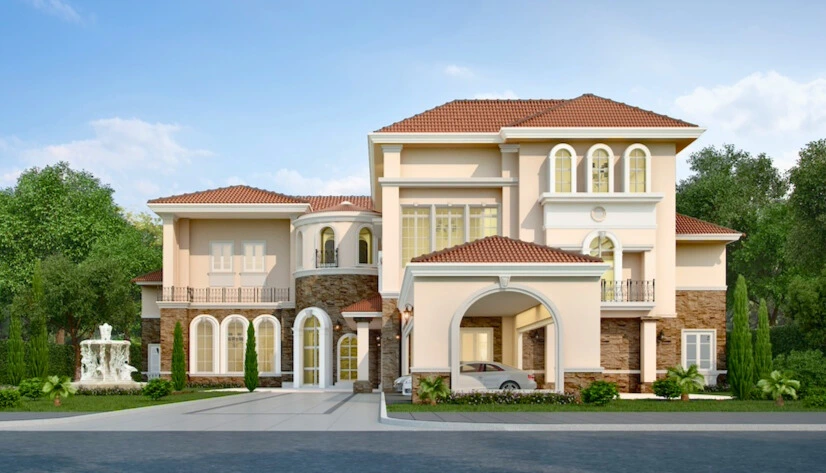
Features of Bungalows:
-
- Single Story: Designed with all living areas on one level, eliminating the need for stairs.
-
- Low Roofline: Typically features a low-pitched roof and overhanging eaves for a charming, simple look.
-
- Accessible Layout: Provides easy access to all rooms, making it suitable for individuals with mobility issues.
-
- Outdoor Living: Often includes a front porch or patio, enhancing outdoor living space.
-
- Compact Design: Efficient use of space, ideal for smaller lots or easy maintenance.
Pros and Cons of Bungalows:
Pros:
-
- Accessibility: Ideal for those who prefer or require single-level living.
-
- Ease of Maintenance: Simpler to maintain due to its single-story design and manageable size.
-
- Outdoor Space: Often includes additional outdoor living areas like a porch or patio.
-
- Cozy Atmosphere: Offers a charming and inviting living environment.
Cons:
-
- Limited Space: This may offer less square footage and fewer rooms compared to multi-story homes.
-
- Expansion Challenges: Adding extra space or additional floors can be more challenging due to the design.
-
- Privacy: Limited separation from neighbors if built on smaller lots or in densely populated areas.
-
- Market Value: In some areas, bungalows may have lower resale value compared to larger homes.
Bungalows are perfect for those seeking a practical, accessible, and cozy living space. They provide a great option for anyone who enjoys a straightforward, single-story home with easy maintenance and a welcoming atmosphere.
7. Tiny Houses
Tiny houses are compact homes designed to maximize space while minimizing the overall footprint. Typically ranging from 100 to 400 square feet, these homes are known for their efficient use of space and innovative design features.
Ideal for those who value simplicity and minimalism, tiny houses offer a unique living experience with everything you need in a small, manageable area.
If you’re drawn to a minimalist lifestyle or want to reduce your environmental impact, a tiny house might be just what you’re looking for. Its small size encourages efficient living and lower utility costs.
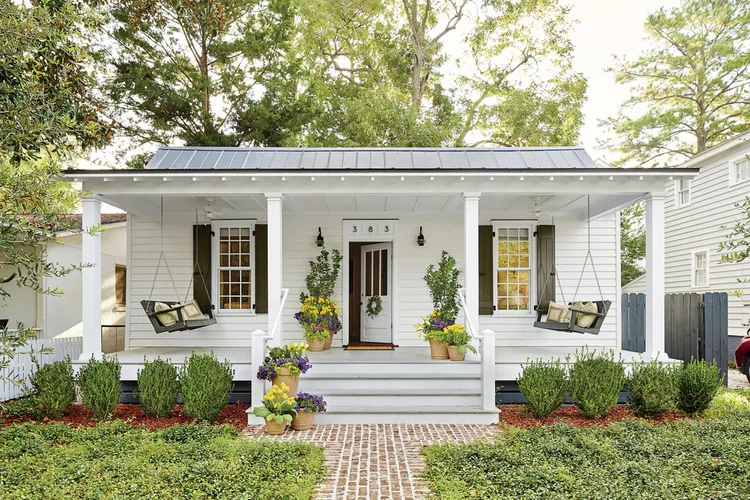
Features of Tiny Houses:
-
- Compact Size: Generally between 100 and 400 square feet, designed to make the most of a small space.
-
- Efficient Design: Features smart storage solutions and multifunctional furniture to maximize usability.
-
- Sustainable Living: Often built with eco-friendly materials and designed for energy efficiency.
-
- Portability: Some tiny houses are built on wheels, allowing for mobility and flexibility in location.
-
- Cost-Effective: Lower construction and maintenance costs compared to larger homes.
Pros and Cons of Tiny Houses:
Pros:
-
- Affordability: Generally cheaper to build and maintain than larger homes.
-
- Minimalism: Promotes a simpler, clutter-free lifestyle with less stuff and lower utility bills.
-
- Eco-Friendly: Often constructed with sustainable materials and designed to be energy-efficient.
-
- Mobility: Some models are portable, allowing you to move your home to different locations.
Cons:
-
- Limited Space: Less room for storage and fewer amenities compared to larger homes.
-
- Living Adjustments: Requires significant adjustments in lifestyle and habits due to the compact size.
-
- Zoning Restrictions: May face challenges with local zoning laws or regulations for tiny houses.
-
- Resale Value: Smaller market and potentially lower resale value compared to traditional homes.
Tiny houses are perfect for those who embrace minimalism and seek a cost-effective, sustainable living option. They offer a unique approach to homeownership, focusing on efficiency and simplicity in a compact living space.
8. Villas
A villa is a spacious and luxurious home often set in a picturesque location, such as a resort area or countryside. These homes are typically known for their elegant design, large living spaces, and high-end amenities.
Villas may include features like private pools, expansive gardens, and multiple bedrooms, offering a high level of comfort and privacy.
If you’re looking for a home that provides a touch of luxury and ample space for entertaining, a villa might be the perfect choice. It’s ideal for those who appreciate an upscale living experience in a serene setting.
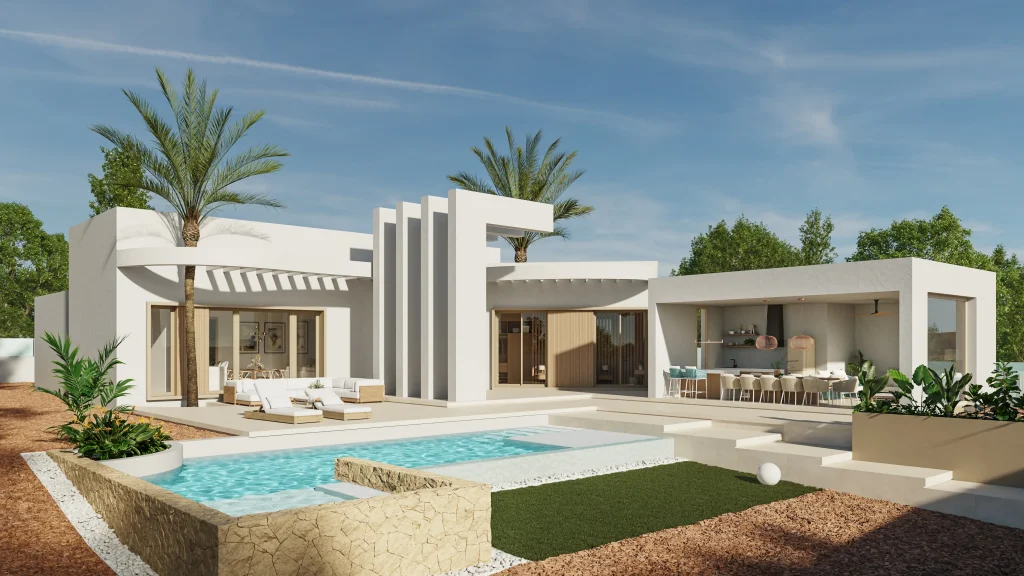
VILLA CATALINA PREMIUM
Features of Villas:
-
- Expansive Space: Villas usually offer large living areas, including multiple bedrooms and bathrooms.
-
- High-End Amenities: Often feature private pools, spacious gardens, and high-quality finishes.
-
- Elegant Design: Known for its stylish architecture and luxurious interiors.
-
- Privacy: Typically situated on larger plots of land, providing a high degree of privacy.
-
- Outdoor Living: Includes extensive outdoor areas for relaxation and entertainment.
Pros and Cons of Villas:
Pros:
-
- Luxury: Offers high-end finishes, stylish design, and premium amenities.
-
- Spaciousness: Provides generous living space and room for entertaining.
-
- Privacy: Located on larger plots, ensuring a more secluded living experience.
-
- Comfort: Often includes features like private pools and expansive gardens.
Cons:
-
- High Cost: Generally more expensive to purchase and maintain due to luxury features and larger size.
-
- Maintenance: Requires more upkeep, including managing extensive outdoor spaces and amenities.
-
- Location: Often situated in more remote or exclusive areas, which may be further from urban amenities.
-
- Utility Costs: Larger spaces can lead to higher utility bills.
Villas are ideal for those seeking a luxurious and spacious home with high-end features. They offer a blend of comfort and elegance, making them perfect for enjoying a high-quality lifestyle in a beautiful setting.
Conclusion:
Choosing the right type of house among different types of houses involves considering your lifestyle, budget, and personal preferences. From the privacy and space of single-family homes to the efficient, minimalist design of tiny houses, each type of home offers unique advantages and challenges.
Whether you’re drawn to the luxury of a villa, the convenience of an apartment, or the charm of a bungalow, it’s essential to weigh how each option aligns with your needs and goals.
If you’re unsure which type of house best fits your requirements, we can help. Our team is dedicated to guiding you through the entire home-buying process.
We will offer insights into different types of houses, and assist you with all related activities. Let us help you find the perfect home that suits your lifestyle and needs.
** FAQs **
What are the different types of country houses?
-
- Country houses include farmhouses, which are practical and spacious; cottages, known for their cozy, rustic charm; and manor houses, which are grand and historic with extensive grounds. You might also find barn conversions, which blend rustic and modern styles, and chalets, often with alpine-inspired designs and cozy interiors.
What are traditional houses?
-
- Traditional houses are built using classic architectural styles and materials specific to a region or culture. They reflect historical and cultural heritage, like colonial, Victorian, or Mediterranean styles.
What are the 5 types of houses?
-
- The five common types of houses are single-family homes, townhouses, condominiums (condos), apartments, and bungalows. Each type offers different features and benefits depending on your lifestyle and preferences.
What are some popular types of houses with names?
-
- Popular types of houses include bungalows, cottages, townhouses, and villas. Each type has unique characteristics, from the cozy charm of a cottage to the luxury of a villa.
What are the different types of houses found in villages?
-
- In villages, you’ll often find types of houses like cottages, farmhouses, and traditional single-family homes. These homes are typically designed to blend with the rural setting and offer a quaint, picturesque living experience.