

Buying a second home can be incredibly beneficial, whether looking for a vacation getaway or an investment property. A second home allows you to enjoy a new location, escape from your daily routine, and create lasting memories with loved ones.
14.3% of Spanish households own a second home for personal use, twice the number in France (6.4%) and Italy (7.5%)
It also offers the opportunity to generate rental income and build long-term wealth through property appreciation. Buying a second house can also offer potential tax benefits and diversify your assets.
Get ready to learn everything you need to make an informed decision and find the ideal second home for your needs in this second home buying comprehensive guide.
What is a Second Home
A second home is a property that you own in addition to your primary residence. It’s often used for vacations, weekend getaways, or as an investment.
When you buy a second home, it offers a place for you to relax, spend time with family and friends, or even generate rental income.
A second home doesn’t need to be near your everyday life, so you can choose a location that suits your preferences, whether it’s a beachfront cottage, a mountain cabin, or a city apartment.
Owning a second home can provide both personal enjoyment and financial benefits. It helps to make it a great option for those looking to expand their lifestyle and investment portfolio.
Reasons to Buy a Second Home
There are some reasons that you need to consider when buying a second house:
-
- Investment Opportunities and Rental Income: Buying a second home can generate rental income. It also helps to cover expenses and potentially earn a profit. It’s a smart way to invest in real estate.
-
- Vacation or Seasonal Use: A second home provides a personal getaway for vacations or seasonal living, offering comfort and a familiar place to relax whenever needed.
-
- Preparing for Retirement: Purchasing a second house allows you to secure a future retirement spot. It’s an early step towards enjoying your retirement years in a place you love.
-
- Family Use and Creating a Legacy Property: A second home can become a cherished family gathering spot and a legacy property to pass down through generations, creating lasting memories and value.
Types of Second Homes

When selecting a second home, it’s important to understand the different types and their uses:
-
- Vacation Homes vs. Investment Properties: Decide if your second home will be primarily for personal enjoyment or if you plan to rent it out for income. Vacation homes are for personal use, while investment properties are intended to generate rental income.
-
- Condos, Townhouses, Single-Family Homes, and Other Types: Explore various property types. Condos offer low maintenance and shared amenities, townhouses provide a balance between space and cost, while single-family homes offer privacy and more space. Other types include bungalows and cottages, each with its benefits.
-
- Considerations for Choosing the Right Type: Match the property type with your use and goals. If you want a low-maintenance getaway, a condo might be ideal. For more space and privacy, a single-family home could be the best choice. Consider how you plan to use the property and your long-term goals
How to Buy a Second Home
If you’re ready to explore buying a second home, you’re in the right place. Now, I’ll guide you step-by-step through the entire process.
From determining your budget to closing the deal, I’ll cover everything you need to know to make your second home purchase a success. Let’s get started on this exciting journey,
Step 1: Financial Considerations for Buying a Second Home
When thinking about buying a second home, it’s important to consider a few financial factors:
-
- Evaluating Your Financial Readiness and Budget: First, make sure you’re financially ready. Look at your savings and income to ensure you can comfortably afford a second home without straining your budget.
-
- Understanding the Costs Involved: Remember, a second home comes with extra costs—like a mortgage, property taxes, insurance, and maintenance. You’ll need to plan for these expenses on top of your current home costs.
-
- Differences Between a Primary Residence vs. a Second Home: Keep in mind, that getting a loan for a second home can be different. You might need a bigger down payment and face higher interest rates since lenders see it as a higher risk.
-
- Impact on Your Current Financial Situation: Finally, consider how this purchase will affect your overall finances, including your debt-to-income ratio and credit score. Make sure you can handle the additional costs without impacting your lifestyle.
Step 2: Choosing the Right Location

Other Properties in Águilas, Spain
When buying a second home, selecting the right location is crucial. Here are some key factors to consider:
-
- Proximity to Primary Residence: Decide how close you want your second home to be to your primary residence. This affects travel time and convenience for regular visits.
-
- Climate: Consider the climate of the area where you’re looking to buy. Whether you prefer a sunny beachside or a snowy mountain retreat, the climate will impact your enjoyment and use of the property.
-
- Amenities and Lifestyle: Think about the local amenities and lifestyle that suit your needs. Whether it’s nearby shopping, dining, outdoor activities, or cultural attractions, choose a location that matches your lifestyle preferences.
-
- Understanding Local Real Estate Markets and Trends: Research current real estate trends and market conditions in the area. This will help you make an informed decision about property values and potential growth.
-
- Evaluating Property Types: Assess different property types available, such as beachfront, urban, rural, or mountain homes. Choose a property type that aligns with how you plan to use your second home.
Step 3: Legal and Tax Implications
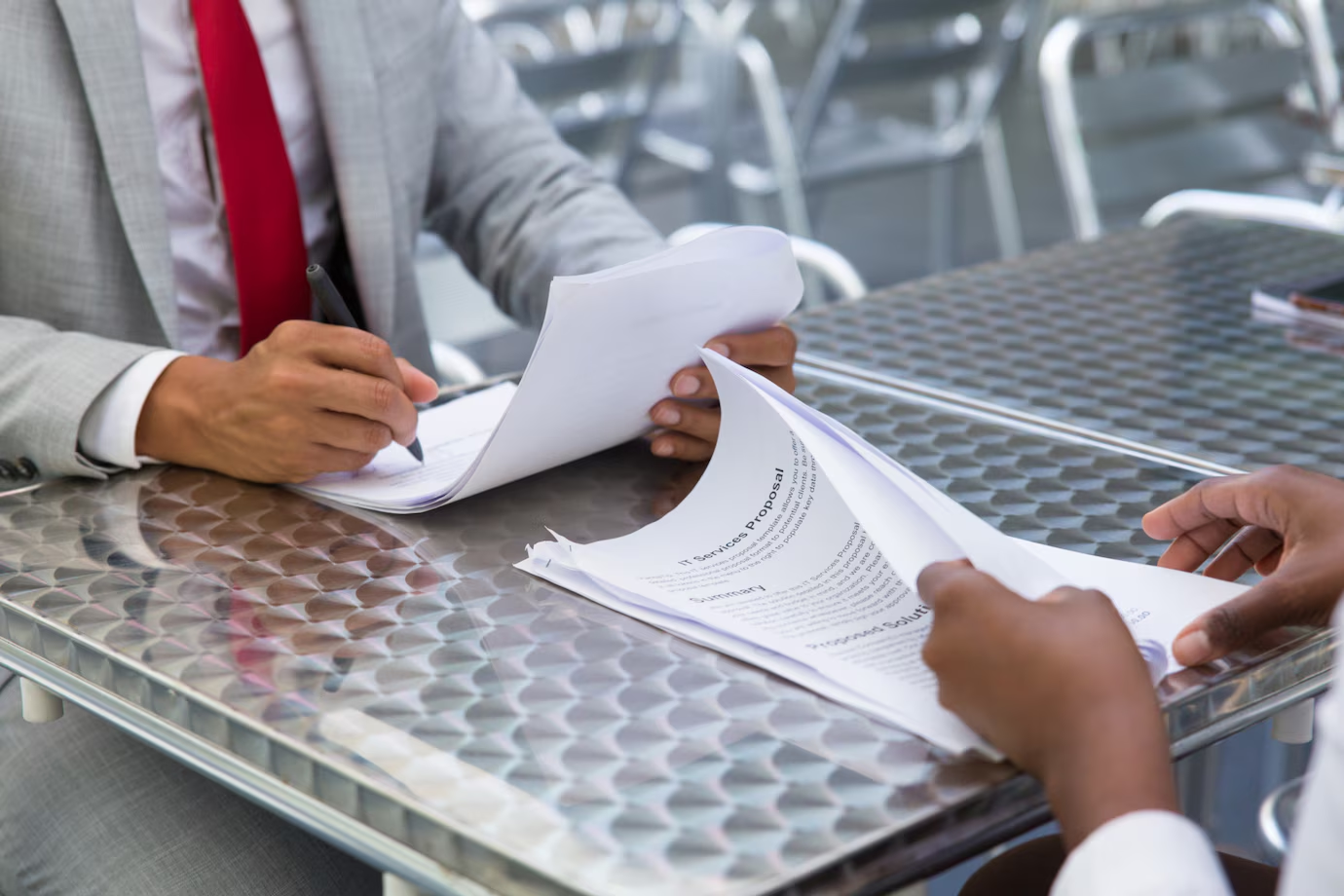
When buying a second home, it’s crucial to understand the legal and tax considerations:
-
- Tax Benefits and Obligations: Owning a second home can offer tax benefits, such as deductions on mortgage interest and property taxes. However, you must also report rental income if you choose to rent out your property.
-
- Differences in Property Taxes, Capital Gains, and Deductions: Be aware of how property taxes for a second home might differ from your primary residence. Additionally, understand how capital gains taxes apply if you sell the property, and what deductions are available for maintenance and improvements.
-
- Legal Requirements and Regulations: Ensure you comply with local regulations and zoning laws for your second home. Different areas have varying rules on property usage, rental regulations, and ownership requirements.
Navigating these aspects will help you manage your second home effectively and avoid potential legal issues. For your hassel free legal checks, contact us, we will conduct your due diligence, checking legal statuses, and ensuring no hidden liabilities.
Step 4: Get Preapproved for a Second Home Mortgage

Before buying a second home, getting pre-approved for a mortgage is a crucial step. Here’s why it’s important and how to go about it:
-
- Understand Your Financial Position: Preapproval helps you understand how much you can borrow, giving you a clear picture of what you can afford. It’s especially important for a second home, where requirements might differ from your primary residence mortgage.
-
- Strengthen Your Offer: A preapproval letter shows sellers that you’re a serious buyer, potentially giving you an edge in competitive markets. It confirms to sellers that you have the financial backing to close the deal.
-
- Gather Necessary Documents: Prepare to provide financial documents like tax returns, pay stubs, and bank statements. Lenders will review your credit score, debt-to-income ratio, and overall financial health to determine your eligibility for a second home mortgage.
-
- Shop Around for the Best Rates: Compare offers from different lenders to secure the best interest rates and terms for your second home mortgage. This can save you money over the life of the loan.
By getting preapproved, you set a solid foundation for your second home purchase, making the process smoother and less stressful. If you want to make the mortgage process more easy while buying a second home you can take help from our experts.
Step 5: Contact with a Local Real Estate Agent
-
- Gain Local Market Insights: A local real estate agent understands the nuances of the area and can offer valuable insights into market trends and property values.
-
- Find Properties that Match Your Needs: Agents can help you identify properties that fit your criteria and preferences, whether it’s for investment, vacation, or retirement.
-
- Navigate the Buying Process: An experienced agent will guide you through the entire process of buying a second home, from viewing properties to making an offer and closing the deal.
-
- Negotiate the Best Deal: A skilled agent will help negotiate terms and prices. It ensures you get the best possible deal on your second home.
-
- Access Off-Market Listings: Agents often have access to properties that aren’t publicly listed, giving you more options to consider.
Step 6: Search for Properties
-
- Define Your Criteria: Start by listing your must-haves, such as location, size, amenities, and property type. Knowing exactly what you’re looking for helps narrow down your search and focus on properties that meet your needs.
-
- Use Online Listings and Tools: Explore online real estate platforms to browse available properties. Utilize filters to sort by price, location, and home type, making it easier to find your ideal second home.
-
- Visit Open Houses and Schedule Viewings: Attend open houses and schedule private showings to get a feel for different properties. This allows you to see the home’s condition and neighborhood in person.
-
- Work with Your Real Estate Agent: Leverage your agent’s expertise to find properties that match your criteria, including those that may not be publicly listed. They can provide valuable insights and access to new listings.
-
- Consider Future Resale Value: Think about the long-term potential of the properties you’re viewing. Homes in desirable areas or with unique features may offer better resale value or rental income opportunities.
By following these steps, you’ll be prepared to buy a second home that meets all your expectations and needs.
Step 7: Make an Offer for Your 2nd Home

-
- Evaluate the Market: Before making an offer, assess the local real estate market to understand current property values and competition. This helps you decide on a fair and competitive offer price for your second home.
-
- Determine Your Offer Strategy: Decide whether you want to make a strong initial offer or start lower and negotiate. Consider factors like the home’s condition, how long it’s been on the market and your budget.
-
- Include Contingencies: Protect yourself by including contingencies in your offer, such as home inspection, financing approval, and appraisal. These clauses allow you to back out of the deal if certain conditions aren’t met.
-
- Submit Your Offer: Work with your real estate agent to draft and submit a formal offer to the seller. Your agent will communicate your offer and negotiate on your behalf.
-
- Be Ready to Negotiate: Be prepared for counteroffers from the seller. Stay flexible and work with your agent to negotiate terms that satisfy both parties and move you closer to closing the deal.
Step 8: Close on Your Second Home
-
- Review All Documents Carefully: Before closing, ensure you thoroughly review all paperwork, including the mortgage agreement, property disclosures, and title documents. Understanding these details is crucial for a smooth closing process.
-
- Conduct a Final Walk-Through: This is your last chance to inspect the property before the deal is finalized. Ensure that any agreed-upon repairs have been made and that the home is in the expected condition.
-
- Prepare for Closing Costs: Be ready to cover closing costs, which may include fees for appraisals, inspections, title insurance, and legal services. Make sure to budget for these expenses ahead of time.
-
- Sign the Closing Documents: Once everything is in order, you’ll sign the necessary documents to finalize the purchase. This step officially transfers ownership of the home to you.
-
- Get the Keys: After all paperwork is signed and funds are transferred, you’ll receive the keys to your new second home. Congratulations—your journey to buying a second home is complete.
Now you have purchased a 2nd home but you can also consider extra steps that I am going to describe.
Step 9: Managing Your Second Home
When buying a second home, effective management is key:
-
- Maintenance and Upkeep: Regular maintenance is essential for your second home. Schedule routine tasks like cleaning and repairs to keep the property in excellent condition.
-
- Hiring Property Managers or Caretakers: If you’re not frequently at your second home, consider hiring a property manager. They can manage day-to-day upkeep and handle any issues that arise, especially if you buy a second home and rent the first.
-
- Insurance Needs and Coverage: Protect your second home with the appropriate insurance. This includes coverage for property damage and liability, and if you buy a second home for investment, consider additional rental income protection.
Understanding how to buy a second home with no money or without selling your primary residence is important, but also consider the ongoing responsibilities.
Step 10: Renting Out Your Second Home
Renting out your second home can be a lucrative option. Here’s what you need to know:
-
- Pros and Cons of Renting Out a Second Home: Renting can provide a steady income and help cover mortgage costs. However, it also involves responsibilities like dealing with tenants and maintaining the property.
-
- Legal and Logistical Considerations: Understand local regulations for short-term and long-term rentals. Ensure compliance with zoning laws, rental agreements, and tax implications to avoid legal issues.
-
- Tips for Maximizing Rental Income and Minimizing Risks: To boost rental income, price your property competitively and enhance its appeal with quality furnishings and amenities. Screen residents carefully to reduce risks and manage the property efficiently.
If you’re buying a second home for investment, these strategies will help you make the most of your property while minimizing potential challenges.
Step 11: Preparing for the Future
As you plan for the future of your second home, consider these key aspects:
-
- Planning for Future Use: Think about how you might use your second home down the line, whether for retirement or as a legacy for heirs. Plan for its role in your long-term goals and family plans.
-
- Understanding Market Trends and Resale Potential: Stay informed about real estate market trends to estimate the future resale potential of your property. This can help you make informed decisions about when to sell or make improvements.
-
- Making Improvements to Increase Property Value: Invest in upgrades and renovations that enhance the value of your second home. Strategic improvements can boost its market value and appeal, ensuring it remains a valuable asset.
Final Tips for Making a Well-Informed Decision
When considering to buy a second home, take your time to make a well-informed choice:
-
- Assess Your Financial Situation: Ensure you have a clear understanding of all costs involved, including mortgage payments, taxes, insurance, and maintenance. Use a buy a second home calculator to evaluate affordability.
-
- Research the Market Thoroughly: Study current market trends and property values in your desired location. This will help you choose a property with good resale potential and align with your financial and lifestyle goals.
-
- Consider Your Long-Term Goals: Think about how the second home fits into your long-term plans, whether for retirement, rental income, or family use. Ensure the property aligns with your future needs.
-
- Plan for Management and Upkeep: Decide how you will manage the property, especially if it’s far from your primary residence. Consider hiring a property manager if needed to maintain your investment.
-
- Consult with Professionals: Seek advice from real estate agents, financial advisors, and legal experts to guide you through the process. Their insights can help you avoid common pitfalls and make a smart investment.
By carefully considering these factors, you can confidently move forward with your decision to buy a second home, ensuring it enhances your lifestyle and meets your financial goals.
Conclusion
Buying a second home offers numerous benefits, from creating a personal retreat to providing investment opportunities.
By carefully considering your financial readiness, choosing the right location, and planning for future use, you can make the most of your purchase.
Whether you’re buying a 2nd home for vacation, investment, or future retirement, thoughtful management and preparation will help ensure your new property meets all your goals.
If you need guidance on any aspect of buying a second home, we’re here to help you through the process and make your experience as easy as possible.
** FAQs **
How Do I Choose the Right Type of Second Home?
-
- Selecting the right type of second home depends on your goals. Whether you’re looking for a vacation retreat, rental property, or a future retirement home, consider factors like location, property type, and lifestyle preferences.
Can I Finance a Second Home with a Low Down Payment?
-
- While buying a second home typically requires a larger down payment compared to a primary residence, options like VA loans or certain programs might offer lower down payment solutions. It’s best to explore various financing options with your lender.
What Are the Tax Implications of Renting Out My Second Home?
-
- Renting out your second home can have tax implications. Rental income is taxable, but you can also deduct expenses related to the property. Consult a tax advisor to understand how renting affects your tax situation.
How Do I Manage a Second Home from Afar?
-
- If you’re not near your second home often, hiring a property manager can help. They handle maintenance, tenant issues, and other responsibilities, ensuring your property remains in good condition without your constant oversight.
What Are the Benefits of Owning a Second Home for Retirement?
-
- Owning a second retirement home provides a future living option that’s already familiar and comfortable. It also allows you to lock in a property location and lifestyle that suits your retirement plans, potentially saving you from last-minute decisions.